
What’s happening?
Central Queensland will play a key role in the first Queensland Dinosaur Week, which runs from Monday, 4 May to Sunday, 10 May 2026, with National Dinosaur Day on Thursday, 7 May. The statewide event will feature 29 events across 15 Queensland locations and will bring together museums, researchers, tourism operators, fossil-rich communities and families to celebrate prehistoric discovery, science and regional storytelling.
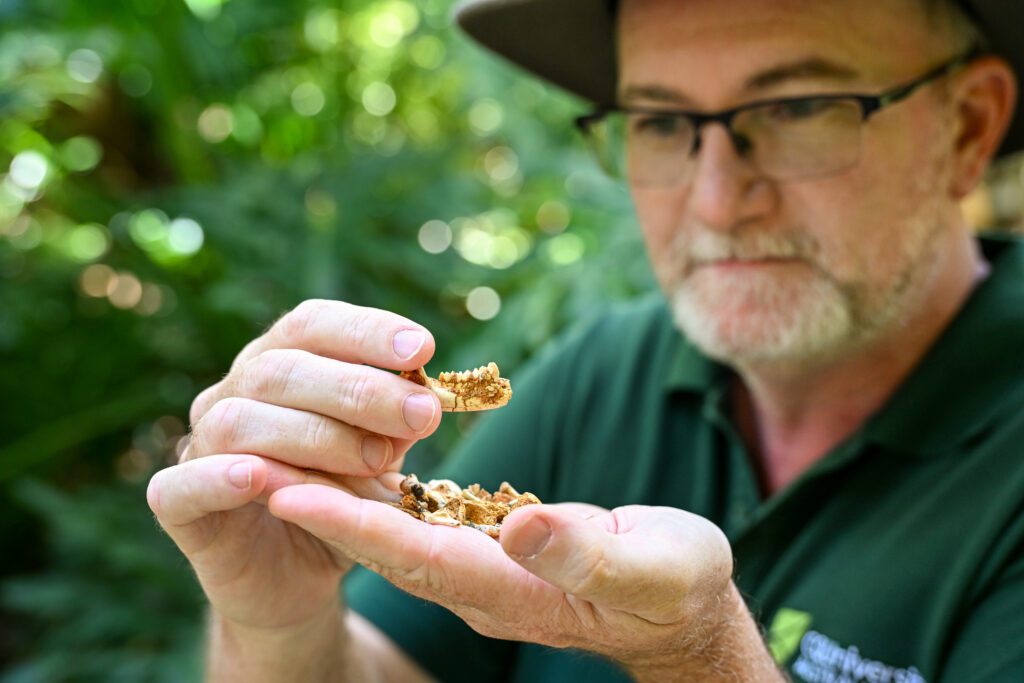
Rockhampton, Mount Morgan and the Capricorn Coast are all part of the program, with Dr Scott Hocknull set to lead a series of events in the region. Dr Hocknull is Principal Research Fellow in Applied Palaeontology and Palaeotourism at CQUniversity, the official Education Partner for the event, and is widely regarded as one of Queensland’s most influential palaeontologists.
The Central Queensland program will begin on Monday, 4 May, from 10 am to 12 noon with Trilobites and Dinosaur Tracks – The BIG Palaeo Story of the Mt Morgan Region at the Mount Morgan School of Arts Building.
On Saturday, 9 May, from 10 am, Phil Hore will lead the free Time Safaris Prehistoric Zoo Walking Tour in Rockhampton.
The local program will close on Sunday, 10 May, from 10 am to 12 noon with Queensland’s BIG Palaeo Stories – Dinosaur Hunting and Deep-Time in Capricornia at the James Lawrence Pavilion at Rockhampton Showgrounds.
Organisers have also worked with Capricorn Enterprise to promote the Dig the Tropic drive itinerary, which highlights Rockhampton and the Capricorn Coast and includes Capricorn Caves, Capricorn Dinosaur Park and Koorana Crocodile Farm.
Why it matters?
Queensland Dinosaur Week gives the state’s fossil story a wider public platform while helping regional communities share in the tourism and education benefits.
Dr Hocknull said the event shows just how rich and diverse Queensland’s prehistoric record is.
“Queensland preserves one of the most extraordinary and diverse fossil records in Australia,” Dr Hocknull said.
“From giant titanosaurs to marine reptiles and Ice Age megafauna, the Queensland Dinosaur Week and the Trail show that it’s a statewide palaeo narrative written across the landscape. When most Australians think of dinosaurs, they picture Hollywood blockbusters or far-flung fossil fields overseas. But if you want to stand where giants actually walked – or swam – you don’t need a passport.
You need a Queensland road trip. More than 100 million years ago, much of Outback Queensland lay beneath the vast Eromanga Sea. It was a place of giant marine reptiles – ichthyosaurs, plesiosaurs and formidable ocean predators – whose fossils now emerge from red dirt landscapes hundreds of kilometres from the coast.”
The week also links science, tourism and family experiences, giving visitors a chance to connect with Queensland’s ancient past in places that are still accessible today.
Local Impact
Central Queensland is being positioned as an important part of Queensland’s deep-time tourism story.
The Dig the Tropic route links inland geology with the Capricorn Coast and the Southern Great Barrier Reef. It includes walking through 390-million-year-old fossilised reefs at Capricorn Caves, seeing life-sized prehistoric giants at Capricorn Dinosaur Park, fossicking for volcanic thundereggs at Mt Hay Gemstone Tourist Park, and coming face to face with crocodiles at Koorana Crocodile Farm.
The launch of The GREAT Queensland Dinosaur Trail Pocket Guide also puts the Capricorn Coast into the wider statewide campaign and helps connect local destinations with visitors planning a prehistoric road trip.
Mary Carroll, Chief Executive Officer of Capricorn Enterprise, said the region offers a strong and unexpected link to Queensland’s prehistoric past.
“The Capricorn Coast Region is where Queensland’s prehistoric story comes to life – from ancient coral reefs now revealed as limestone caves to landscapes shaped over millions of years. It’s a place where deep time meets real experience,” Ms Carroll said.
“‘Dig the Tropic’ brings that story together in one unforgettable drive – inviting visitors to explore, discover and connect with a side of Queensland they never expected. It’s more than a road trip, it’s a journey through time.”
By the numbers
- Queensland Dinosaur Week will feature 29 events across 15 locations, giving regional communities a shared platform to showcase their fossil, marine and megafauna stories.
- The Central Queensland story reaches back 390 million years through the fossilised reefs at Capricorn Caves, adding major geological depth to the local experience.
- Queensland’s ancient history stretches beyond dinosaurs alone, with Dr Hocknull pointing to Winton’s 95-million-year-old footprints and marine reptiles from a sea that covered much of Outback Queensland more than 100 million years ago.
Zoom In
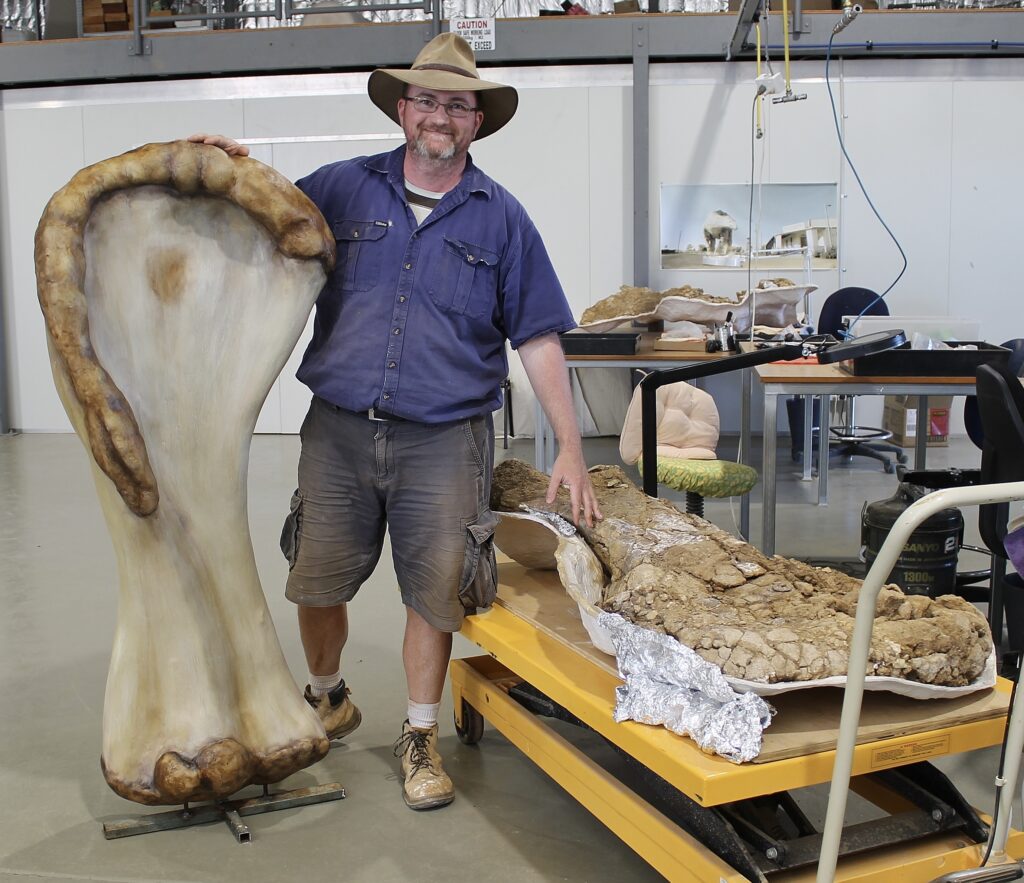
Dr Hocknull’s work has helped shape Queensland’s palaeo-tourism story through years of fieldwork, research and museum leadership. He is also the principal palaeontologist at Eromanga Natural History Museum and Capricorn Caves.
His work highlights some of the state’s most important fossil locations, including Winton for dinosaur bones and 95-million-year-old footprints, Richmond for giant marine reptiles from the Eromanga Sea, Eromanga as home to Australia’s largest dinosaur, and Mount Isa with Riversleigh’s World Heritage fossil deposits of ancient mammals and megafauna.
That experience gives the Central Queensland events scientific depth while keeping them accessible to families and visitors.
Zoom Out
Led by Dinosaur Experiences Australia, Queensland Dinosaur Week will also launch the first GREAT Queensland Dinosaur Trail, designed to connect Outback towns and lift visitation into regional communities.
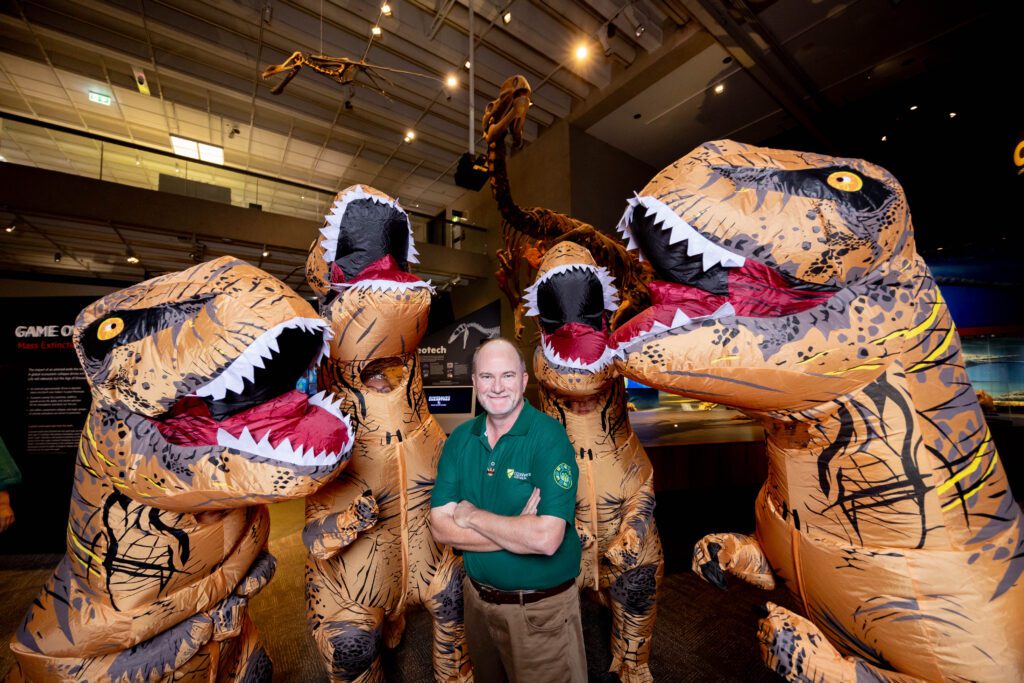
The week will include fossil digs, museum experiences, family-friendly activities, citizen science events and special guest appearances across the state. Organisers say it is built to show that Queensland’s ancient giants still inspire, educate and excite.
Queensland Dinosaur Week is supported by the Department of the Environment, Tourism, Science and Innovation through Tourism and Events Queensland. It is delivered in partnership with participating destinations across the GREAT Queensland Dinosaur Trail and supported by the Queensland Government through Engaging Science Grants.
What To Look For Next?
As Dinosaur Week approaches, attention will centre on the Mount Morgan talk, the Rockhampton walking tour and the closing Capricornia event on 10 May. The new pocket guide and Dig the Tropic itinerary are also likely to help bring more visitors through Central Queensland during the week.
