
What’s happening?
More than 930 first-year graduate doctors will begin training with Queensland Health in 2026.
It is the largest intake in Queensland’s history and the first time the state has attracted more first year graduate doctors than anywhere else in Australia.
The intake surpasses last year’s record of more than 880 new doctors.
The Crisafulli Government says the new cohort supports easier access to health services and a fresh start for Queensland.
Within Central Queensland, 43 first year graduate doctors will join hospitals across the region, including Rockhampton.
These doctors will support frontline services while beginning their medical careers in public hospitals.
Why it matters
Graduate doctors are a core part of hospital teams and play a direct role in patient care.
The record intake is part of the government’s plan to meet growing demand for health services across the state.
The Crisafulli Government says the intake brings Queensland closer to delivering 46,000 additional health staff by 2032, following what it describes as a decade of decline under Labor.
Minister for Health and Ambulance Services Tim Nicholls said attracting graduates early is key to long-term workforce growth.
“This record intake of the next generation of doctors shows our plan to grow our workforce is working,” Minister Nicholls said.
“We know that attracting and retaining doctors at the start of their medical careers means more accessible care and better health outcomes for Queenslanders.”
Local impact
Central Queensland hospitals will see an increase in junior medical staff in 2026, supporting services across the region. Rockhampton is among the centres set to benefit from the additional doctors.
The graduates will undertake clinical rotations in areas including emergency medicine, cardiology, orthopaedics, anaesthetics, obstetrics and gynaecology, paediatrics, intensive care, mental health, general medicine and surgery.
Many doctors based in metropolitan hospitals will also have opportunities to rotate through regional and remote hospitals, adding further support to communities like Central Queensland.
By the numbers
-
43 graduate doctors will join Central Queensland Hospital and Health Service, strengthening services across the region.
-
More than 930 first year doctors will start with Queensland Health in 2026, the largest intake ever recorded.
-
56 doctors in the 2026 cohort have already chosen specialist careers through the Queensland Rural Generalist Pathway.
Zoom in
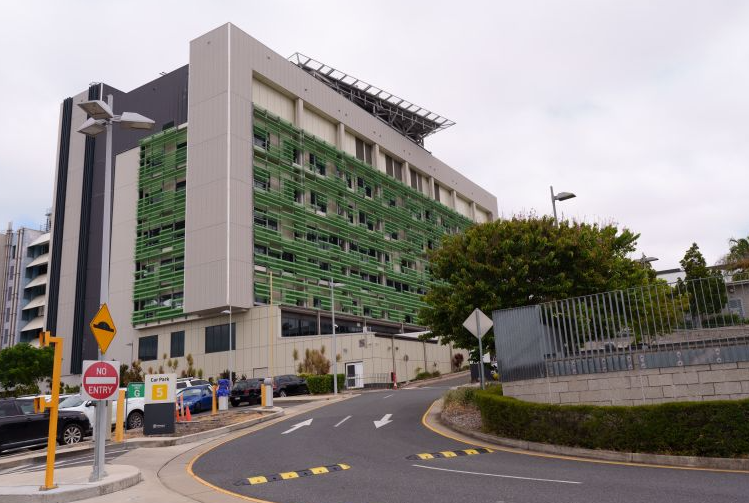
Minister Nicholls met with some of the 94 first year graduate doctors starting at the Royal Brisbane and Women’s Hospital.
“Talking to these new doctors as they commence their careers with us at Queensland Health, seeing and hearing their energy and commitment, gives me confidence the next generation of doctors is ready to step into the frontline and continue making a real difference in their communities,” he said.
“As Minister for Health and Ambulance Services, I’m committed to talking with clinicians at every stage of their career, to find out how the Crisafulli Government can support them in the delivery of excellence in health services.”
Zoom out
Other regions receiving first year graduate doctors include Cairns, Townsville, Mackay, Darling Downs, Wide Bay, the Gold Coast, Sunshine Coast, Metro North, Metro South, West Moreton, and North West Queensland.
National data shows Queensland received the highest number of first year graduate doctor applications in the country, overtaking both New South Wales and Victoria.
“This speaks volumes about the reputation of our hospitals, the Queensland lifestyle, and the opportunities we provide for young doctors starting their careers with Queensland Health,” Minister Nicholls said.
“After a decade of decline under Labor, I’m proud to be part of a government that is delivering a fresh start by building and investing in the health system now, in preparation for the future, to ensure Queenslanders have access to world-class healthcare no matter where they live.”
What to look for next
The 2026 graduate doctors will begin rotations across Queensland hospitals in the coming year.
Further updates are expected as rural placements and specialist training pathways progress.
