
What’s Happening
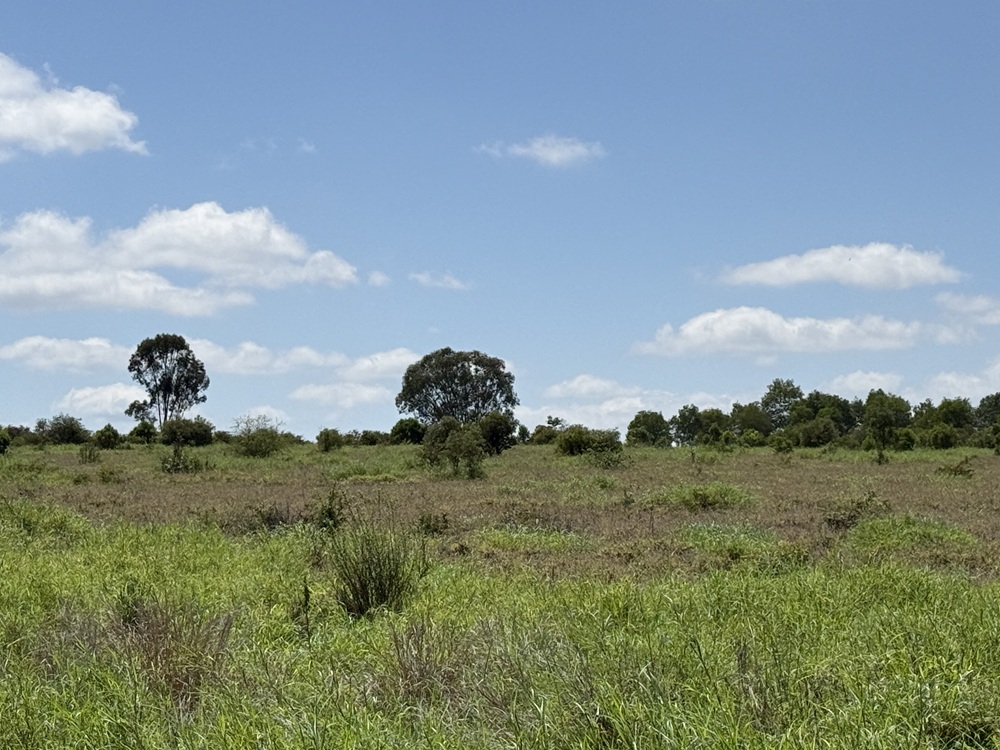
Central Queensland graziers are being urged to monitor their paddocks for signs of pasture dieback following recent rainfall.
The Department of Primary Industries has received increased reports of the condition, particularly in buffel grass pastures across the region.
While infection levels have declined since the initial outbreaks, pasture dieback remains a concern in previously affected areas.
Why It Matters
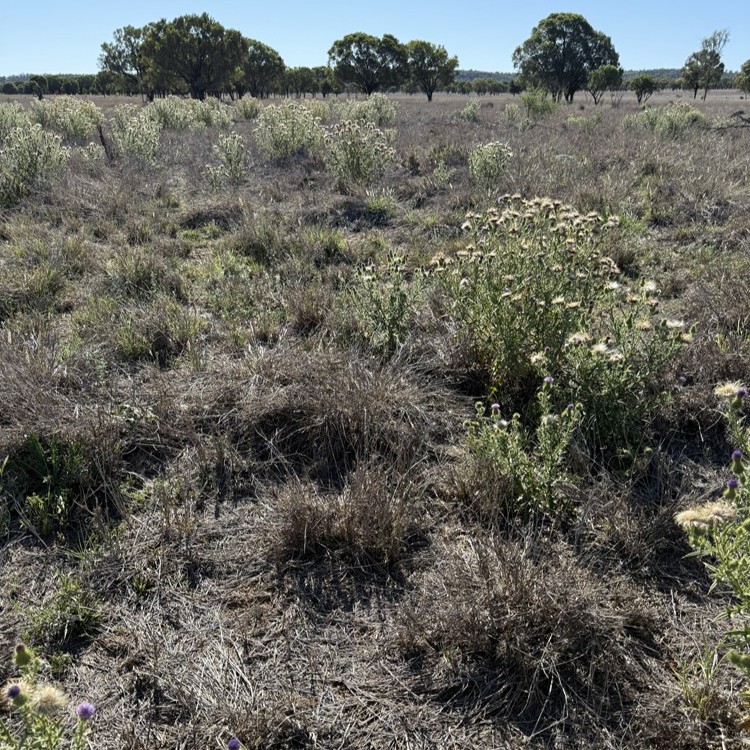
Caused by the pasture mealybug, pasture dieback can severely reduce grazing productivity, with affected grasses showing signs of stress before dying.
Department of Primary Industries Principal Agronomist Stuart Buck said recent seasonal conditions highlighted the importance of monitoring pasture health.
“Recent rainfall has provided welcome relief for many, but we’re also seeing increased reports of pasture dieback in parts of Central Queensland,” Mr Buck said. “We’re encouraging producers to inspect their properties, particularly buffel grass pastures, and seek advice if they notice unusual yellowing, reddening or declining pasture condition.
“Early identification can help producers better understand the extent of the issue on their property and consider management options that suit their operation.”
Local Impact
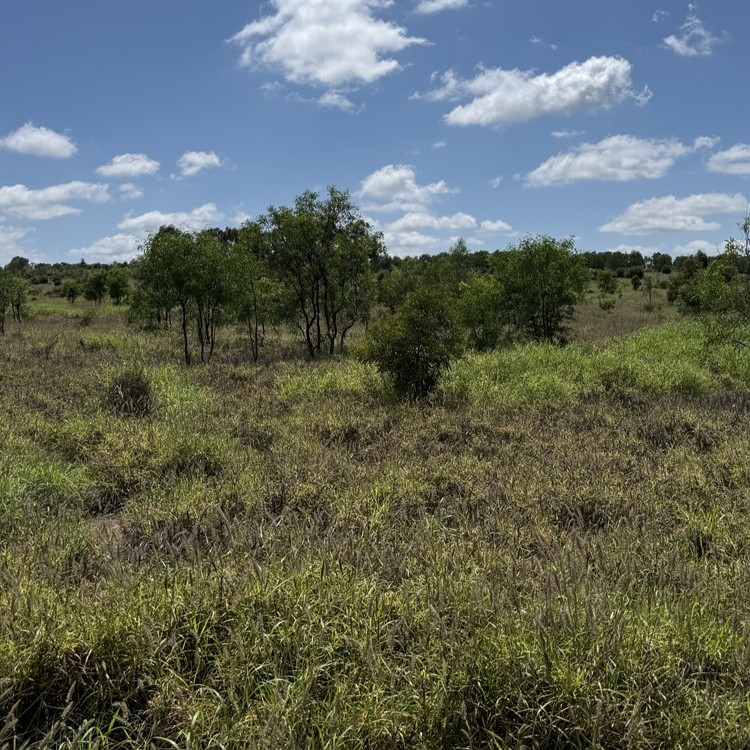
Pasture dieback continues to affect previously impacted areas across Central Queensland, with additional cases reported in western districts following favourable rainfall.
However, many graziers have successfully established new pastures in affected paddocks through careful preparation and the selection of suitable pasture species.
Producers in drier western districts face additional challenges, as fewer dieback-tolerant grass varieties are suitable for local conditions.
By the Numbers
-
2015-2020: Initial pasture dieback cases were reported during this period, with infection levels subsequently declining across Central Queensland.
-
3 Central Queensland communities: Increased reports have emerged around Emerald, Springsure and Rolleston, where symptoms have developed rapidly following rainfall.
-
4 western districts: Additional cases have been reported in buffel grass pastures around Tambo, Alpha, Blackall and Barcaldine.
-
2 Australian states: Pasture mealybug infestations have been detected from the Cairns region in Queensland to Singleton in New South Wales.
Zoom In
Successful pasture recovery depends on thorough seedbed preparation and sowing when sufficient subsoil moisture is present.
Producers are encouraged to include dieback-tolerant grasses and resistant legumes suited to their soil type, rainfall and property management practices. However, limited grass varieties in drier western districts mean suitable seed supplies should be secured months before anticipated sowing.
While buffel grass remains a primary concern, symptoms have also been observed in panic grass. Therefore, graziers are encouraged to monitor all pasture species.
Zoom Out
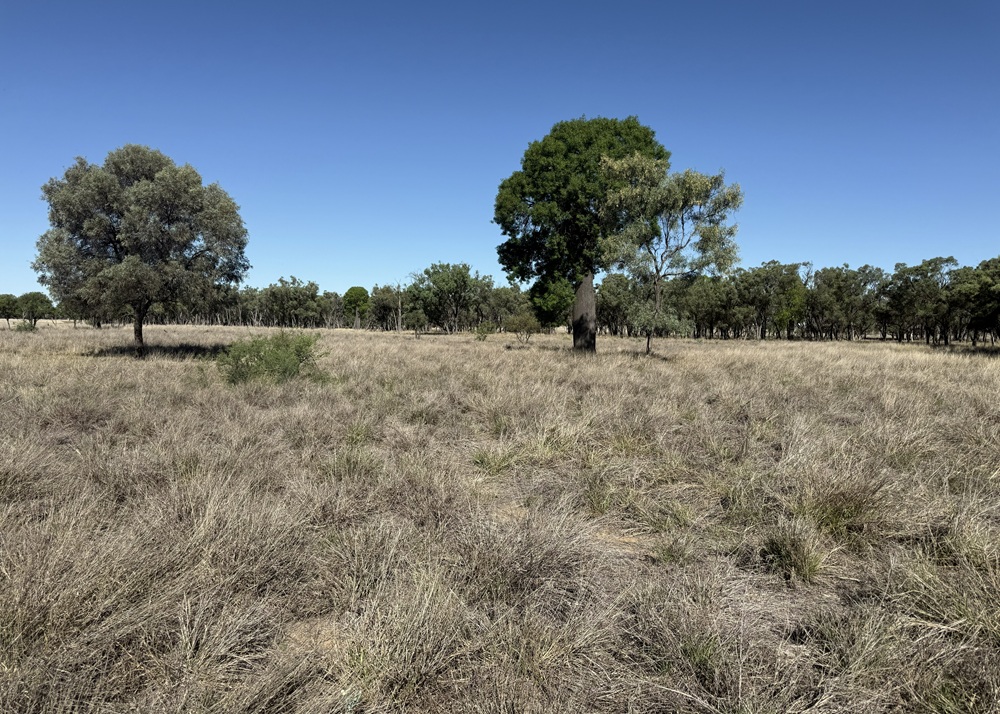
Pasture dieback can recur over several years, and no single solution exists. Combining management strategies can improve pasture resilience and reduce the severity of future outbreaks.
Recent rainfall and warmer weather have also prompted warnings across Southern Queensland, where large areas have previously been affected.
Mr Buck said producer reports play an important role in understanding the distribution and impacts of pasture dieback.
“By reporting suspected cases and sharing observations, graziers are helping researchers build a clearer picture of where pasture dieback is occurring and how it is affecting Queensland grazing systems,” Mr Buck said.
What To Look For Next?
Continued monitoring, careful pasture management and early reporting could support pasture recovery and minimise future productivity losses across Central Queensland.
Graziers can report suspected cases through the free Pasture Dieback Survey app, available from the Apple and Google app stores.
Further information and management resources are available through the FutureBeef website.
