
What’s happening?
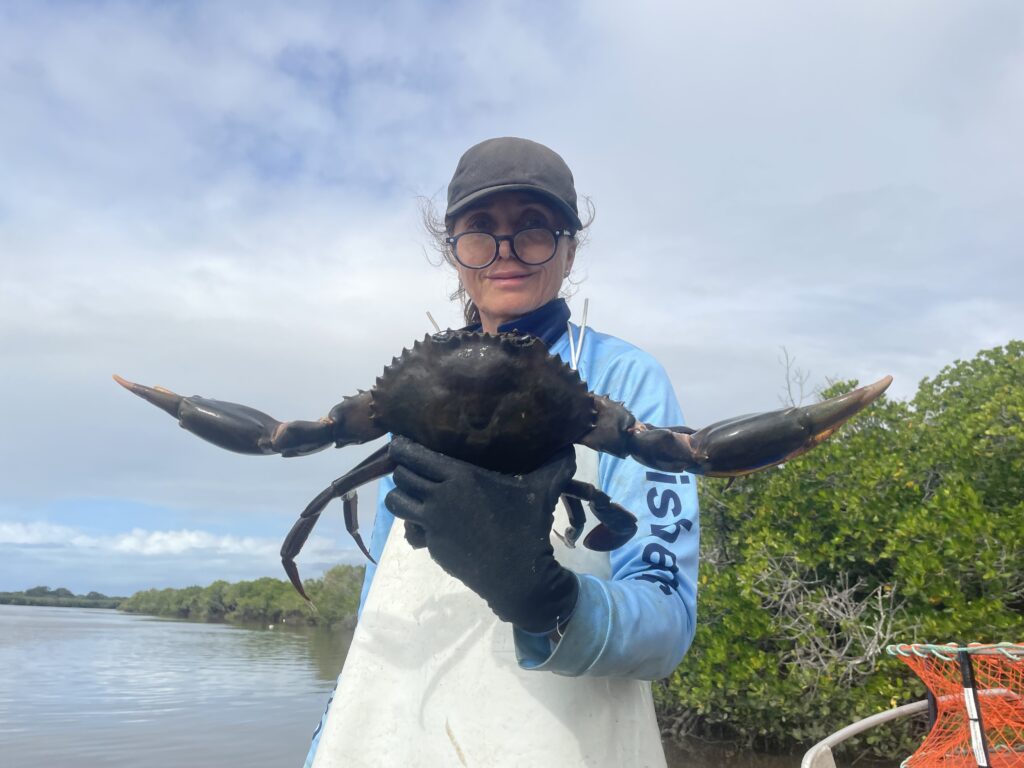
A detailed study has shown Queensland’s giant mud crab populations remain in good condition. The research found no current threat to sustainability. It confirmed the strength of the male only harvest policy and the 15 cm legal minimum size limit. About 20,000 mud crabs were analysed using new genetic tools and satellite tags. The work was led by Queensland’s Department of Primary Industries with support from the Fisheries Research and Development Corporation.
Why it matters?
The results show the species continues to be protected under current rules. The study also provides new data for long term planning.
By the numbers
- Researchers assessed about 20,000 giant mud crabs across Queensland, providing broad coverage of the species.
- Queensland produces 64 percent of Australia’s commercial mud crab harvest, underscoring the species’ value.
- Over 90 percent of sampled females were mated and ready to spawn, showing strong breeding conditions.
Zoom in
Principal fisheries scientist Dr Julie Robins outlined the value of the study. “Giant mud crabs are an iconic species and a vital part of Queensland’s fisheries, with our state accounting for 64 percent of Australia’s commercial harvest,” Dr Robins said.
She said the genetic work across the east coast and the Gulf of Carpentaria was a major success. “Queensland’s male minimum legal size limit ensures a proportion of mature males are available to reproduce and over 90 percent of females sampled were mated and getting ready to spawn.”
Dr Robins said the new data will support ongoing research. “This study has added tremendous value to our collective knowledge and laid the groundwork for future discussions about mud crab management in Queensland,” she said.
She added that commercial fishers played a vital role. “The collaborative nature of this project, working side by side with the commercial fishers, was invaluable. Their local knowledge was key to successfully gathering data.”
Dr Julie Robins said the project added strong biological detail. She noted the genetic analysis across two major regions was a key achievement. She said the male size limit keeps mature males available to breed. She said commercial fishers provided knowledge that supported the research. Dr Robins said the findings give Queensland important biological reference points.
Zoom out
The findings support Queensland’s long standing approach to mud crab management. They show that current rules remain effective.
Local impact
The results reassure communities that mud crab stocks remain strong. Summary results are now on the FRDC website.
What to look for next?
The new biological markers will guide future research and management.
