
What’s Happening?
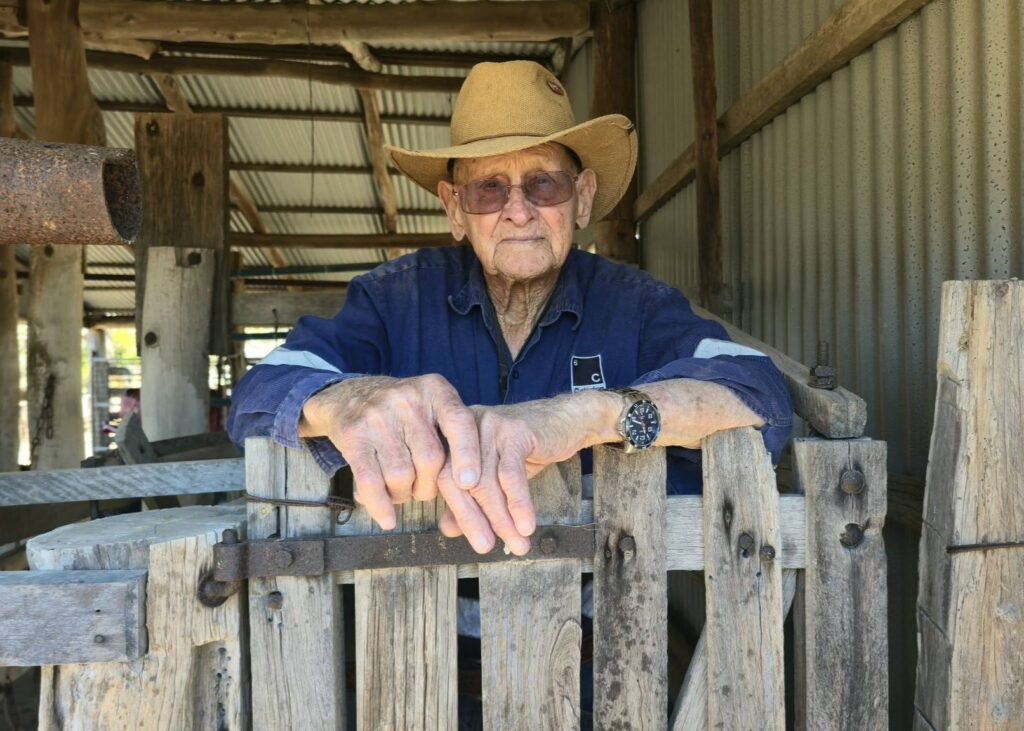
Rocky News sat down for an exclusive one-on-one interview with local farming legend Colin Stracey. Still active on his family property, Colin shared memories from a lifetime shaped by cattle, crops and daily work.
His recollections cover riding a horse to school, hand-milking cows, growing lucerne and working alongside his family. Colin also reflected on floods, changing machinery and his lasting connection to the farm.
Why It Matters?
Colin speaks plainly about a life that might otherwise survive only through family memory. He does not make the work sound easier or more dramatic than it was.
Asked what spending his life on the farm meant, Colin replied, “What better could you ask for?” He added, “It was very good as far as I’m concerned.”
His memories matter because daily farm work was rarely recorded while people were busy completing it. The value sits in the details Colin still recalls.
Those details show how the family shared work, fitted school around chores, and adapted as farm equipment changed. Colin summed up those changes simply: “Everything’s changing all the time.”
Local Impact
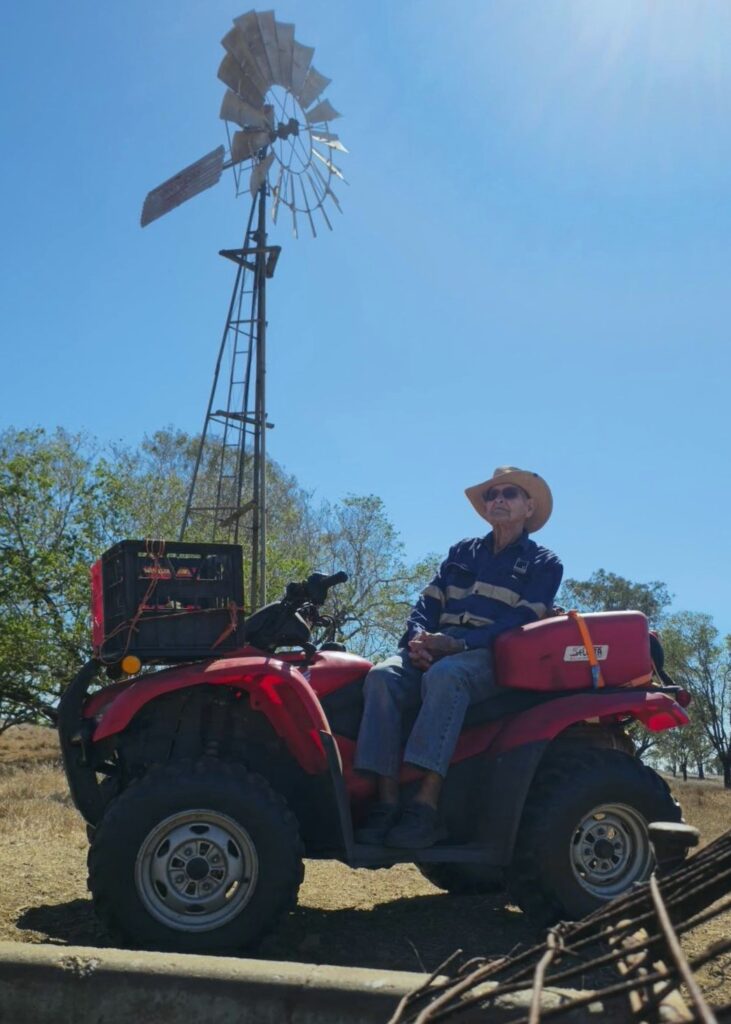
Colin’s account gives Alton Downs a first-person record of farm life from someone who lived it. The property’s history is also his family’s history.
Colin believed his father first held the block through a perpetual lease. He said his father later bought it and converted it to freehold.
After his father died, the property passed to Colin’s mother, and the family continued working for her. His mother also joined Colin and other relatives in the dairy. When the family took on the block, prickly pear covered much of the land. Colin remembered “all the cactus” and called it “dirty old prickly things”.
The property later supported dairying and lucerne growing, while milk was sent to a local factory. A neighbour built the farm shed, which held tools used across the property. These memories connect local farming history with the people, labour and family routines behind it. Without Colin’s voice, many of those details could be lost.
By The Numbers
- At 96 years old, Colin remains active on the family property where he has spent his life.
- Between 50 and 60 cows were hand-milked twice daily during the family’s busiest dairy years.
- Bonnie spent about 10 years on the property, and Colin last milked her 12 to 18 months before the interview.
Zoom In
Colin’s story is clearest in the routines he remembers. School fitted around farm duties, rather than replacing them.
“Ride the horse to school, come home and then milk the cows,” Colin said. At busy times, hand-milking the herd was a shared family job. Asked whether he ever milked all 60 cows alone, Colin made clear that others helped. “Oh no, it was three of us,” he said.
Four or more sometimes helped when everyone was together. “Mum used to milk the cows too,” Colin added. The task continued after the milk left each cow. The family still had calves to feed, equipment to use and a dairy to clean.
“You go in the yard, milk the cows, separate, feed the calves, then clean up the mess,” Colin said. Yet he also remembered satisfaction in completing that duty. “It was very nice to get up and go out and do your duty in the morning,” he said.
Growing lucerne added more work and showed how equipment changed. The family first used a horse mower, then moved to a tractor.
There was no baler for the harvested crop. “We didn’t bale; it was all done by fork,” Colin said. The lucerne supported the dairy, which shaped much of Colin’s working life. “We dairied all our life, really,” he said.
Eventually, the demanding routine became too much. “We got sick of doing it,” Colin said. “We just shut off like everyone else.” The family’s dairy cows are now gone. “They’re all gone, the cows are all gone. So that’s the end of the story,” Colin said.
That was the end of dairying, not Colin’s connection to the land. He remains active on the property as he gets older.
The last cow Colin remembered hand-milking was Bonnie. She had spent about 10 years on the property. Colin last milked her 12 to 18 months before the interview. He later heard she had died in the paddock, although he had not seen it himself.
“Last time I saw her, she was still walking around,” Colin said.
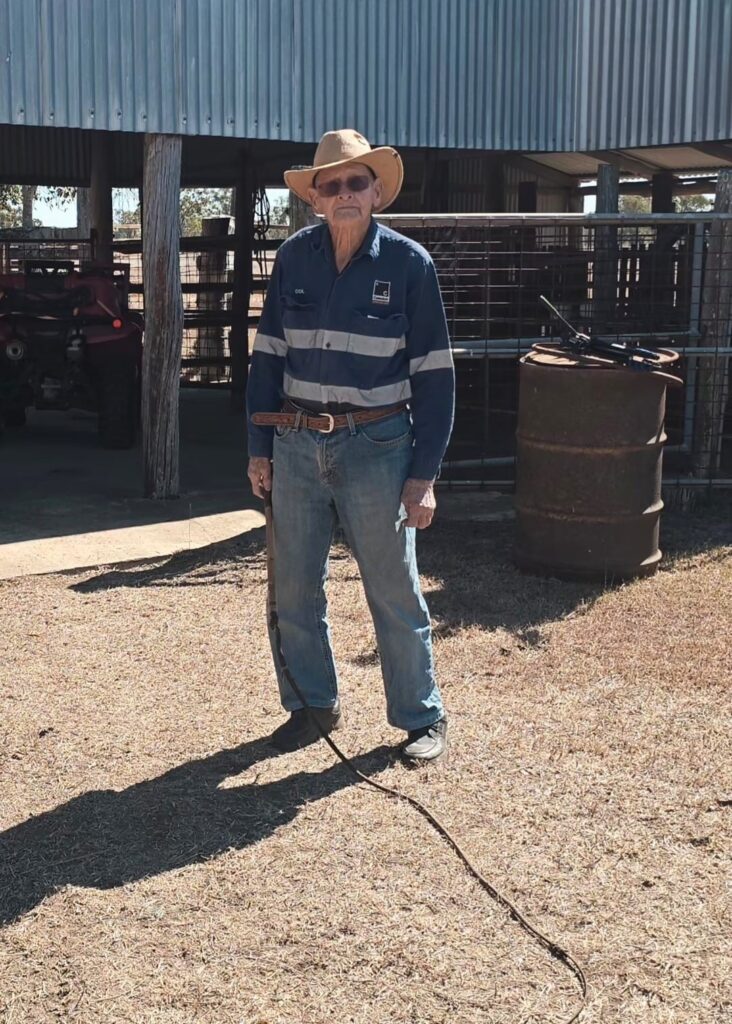
The old farm shed holds another part of Colin’s life. A neighbour built it for the family, and it was not a blacksmith shop. Instead, it contained “tools of all descriptions”. Asked what he would miss if he left, Colin replied, “Lots of memories.”
He also described “all the junk and rubbish, all sorts of things in here”. Those ordinary objects sit beside decades of work and family memory.
Zoom Out
Colin’s answers stay practical even when questions reach across decades. Asked about the war years, he gave no long account.
“Everything’s changing all the time,” Colin said. He then added, “Everything’s okay. It’s pretty good.” His memories of early floods were brief but clear. “A lot of water flowing by, wasn’t it?” he said.
The change from a horse mower to a tractor marked a clear shift in farm work. However, Colin did not offer a simple verdict on modernisation.
“I don’t know what you meant by that,” he said. He then returned to practical advice: “Just go by the rules. It’s all you can do.” Colin also claims no special formula for living to 96. Asked about his longevity, he answered, “Oh boy, I don’t know. No, I can’t help you.” When invited to share funny memories, Colin was equally direct. “No, I haven’t got any funny stories. Never had time for stories.”
That answer says much about his life. Work, family and the farm filled the days, while storytelling could wait.
Now, those ordinary routines form the story worth keeping. Colin’s life is seen in riding to school, milking cows, and forking lucerne. It is also seen in cleaning the dairy and remaining connected to the farm.
Recording his words keeps that account with the person who lived it.
What To Look For Next?
Rocky News is grateful to Colin and the farmers who take the time to share their memories. As Colin grows older, recording his experiences ensures his life on the farm is not forgotten.
His memories may seem like ordinary moments, but they form an important record of family farming and local life. By sharing Colin’s story in his own words, we can keep those experiences alive for his family and future generations.