
What’s happening?
Bendigo Bank’s 2026 Australian Agriculture Outlook report sets the tone for the first half of next year. It details how seasonal conditions and the economic climate will shape performance across cattle, cropping, dairy, wool, horticulture, and sheep.
Bendigo Bank Agribusiness Senior Manager Industry Insights, Eliza Redfern, said the year ahead holds cautious optimism. “Seasonal risk and economic uncertainty remain at the forefront, but the outlook for Australian agriculture is broadly positive as we move into 2026.”
She said tight supply in sheep and wool, along with strong export demand for beef, will help support prices even as vegetable and milk production face cost pressures. “Beef production is tipped to drop slightly from the high volumes seen in 2025, and strong demand especially from an export perspective is likely to keep prices firm.”
Winter crop production for 2025 and 2026 is forecast at 62.3 million tonnes, up 12 per cent from mid year. Western Australia drove the turnaround with a forecast lift of 26 per cent, or around 5 million tonnes.
Why it matters?
Queensland relies heavily on cattle, grains, horticulture and dairy. Strong export demand and stable seasonal conditions can support prices and farm income. But rising input costs, uncertain rainfall, and global volatility continue to carry weight.
Redfern said the demand for lamb and mutton will stay firm in 2026. “The recent run of strong prices is expected to continue into 2026 due to firm demand and the tight supply environment.”
Local impact: Queensland
Queensland enters 2026 with a steady outlook across most sectors.
-
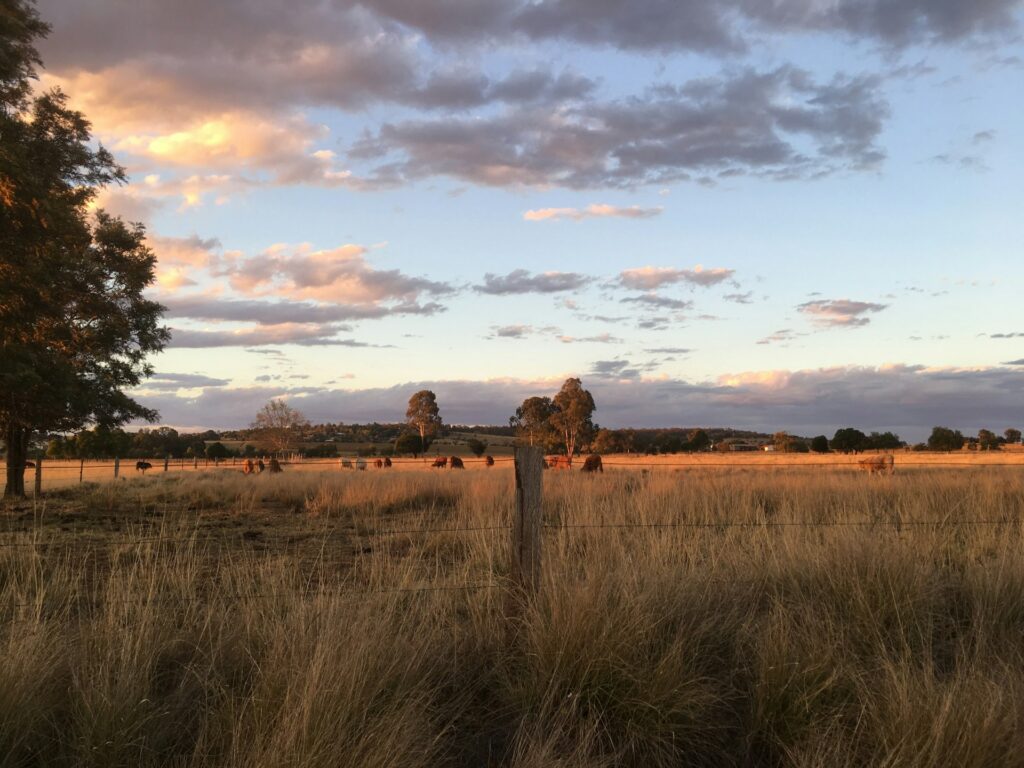
Cattle prices are likely to remain strong due to high export demand, with processors active at local saleyards.
-
Winter crop production is estimated at 3.8 million tonnes, five per cent lower than last season after dry weather trimmed earlier potential.
-
Macadamia growers are supported by lower global output, though China’s expanding production may pressure prices next year.
-
Avocado producers expect another large season. Shepard yields should land about 10 per cent higher than last year.
-
Queensland milk production lifted early in the 2025 and 2026 season, with a stable full year expected.
By the numbers
-
Winter crop production in Queensland reached an estimated 3.8 million tonnes, five per cent down from last season after dry spring weather reduced potential.
-
Australia’s total winter crop forecast is 62.3 million tonnes, a 12 per cent increase from mid year.
-
Western Australia’s production surge added about 5 million tonnes to national forecasts.
Zoom in
Queensland’s cattle sector remains the standout. High export demand is keeping saleyard competition strong, and many processors are active as global markets continue to lean on Australian supply.
On the crop front, showers slowed harvest in late November but helped boost sorghum planting. Fruit and nut growers, including macadamia and avocado producers, are preparing for strong yields, though input costs and weather risks remain heavy on margins.
Vegetable growers face the toughest conditions, with high irrigation prices reducing production potential into early 2026.
Zoom out
Across Australia, conditions vary but follow a similar theme.
-
New South Wales growers report strong yields and quality, though irrigation costs continue to pressure horticulture margins.
-
Victoria and South Australia are both dealing with very slow harvest starts, with large grain volumes expected once harvest accelerates.
-
Western Australia is on track for a record grain year, with production possibly exceeding 26 million tonnes.
-
Tasmania is set for stable rainfall, strong vegetable production and steady milk output.
Common threads across all states include high input costs, ongoing labour pressures, and volatility in global markets, especially in dairy and horticulture.
What to look for next?
Watch how the start of 2026 unfolds for Queensland’s cattle, macadamia, and grain sectors. Export demand remains strong, but all eyes are on rainfall. A dry turn could push more stock to market and soften prices, while reasonable conditions would help stabilise supply and margins.
