
What’s happening?
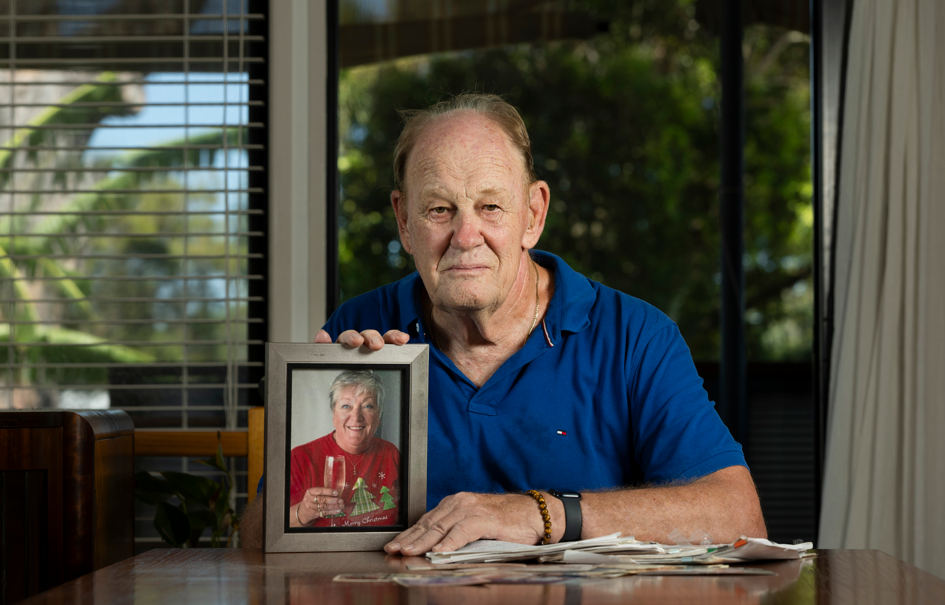
Thirteen years after Suzanne Caudell was killed on the Bruce Highway near Marlborough, her husband Colin Caudell says he is still waiting for answers and reform.
In 2013, Suzanne was working as a traffic controller alongside her husband when she was struck and killed by a truck travelling 106km/h in a 60km/h zone north of Rockhampton.
Since then, Mr Caudell has written hundreds of letters, met with officials and called for stronger protections for road workers. He is also pushing for greater transparency in how Queensland measures and reports road trauma.
He says Queensland publishes weekly road toll figures through the Department of Transport and Main Roads, but there is no single public source that integrates road fatalities, work-related road deaths, serious injury hospitalisations and enforcement data in one place or in near real time.
“My wife’s death was hidden in the data,” Mr Caudell said.
“Because workplace safety data is recorded separately from the public road toll, deaths of road workers on public roads are not reflected in the headline figures.
“If someone wanted to know how many road workers were killed or seriously injured on Queensland roads last year, they would have to piece that together from multiple agencies, delayed datasets and sometimes formal information requests.
“The way the data is fragmented means we don’t see the true trauma picture, and without that we cannot learn from each fatality or make decisions that save lives.”
Why it matters?
Queensland recorded 308 road deaths in 2025, the state’s highest annual toll in 16 years.
Mr Caudell argues that unless structural reform and transparent reporting are prioritised, the state risks falling further behind national road safety targets.
He has written again to the Transport Minister and local representatives in recent months seeking action on road worker safety and data transparency. He says he received automated acknowledgements but no substantive reply.
“Thirteen years on, I’m still asking the same questions and still waiting for real answers. An automated reply is not accountability,” Mr Caudell said.
“These are people who helped build the roads we all use every day. They deserve to be counted properly, and their families deserve accountability.”
Local impact
The fatal crash occurred on the Bruce Highway near Marlborough, north of Rockhampton, a key freight and travel corridor in Central Queensland.
Road workers across regional Queensland often operate on high-speed highways. Mr Caudell says they are exposed to serious risk when drivers ignore speed limits through work zones.
He also confirmed there was no public coronial inquest into his wife’s death.
“There is not a day that goes by that this doesn’t replay in my mind. I feel absolutely let down by the lack of concern, but I keep speaking up because nothing changes unless someone does. Suzanne had a right to come home at the end of her shift,” Mr Caudell said.
By the numbers
-
308 people died on Queensland roads in 2025, the highest annual toll in 16 years, highlighting a worsening road safety crisis.
-
106km/h was the speed of the truck that struck Suzanne Caudell in a 60km/h roadworks zone in 2013.
-
13 years have passed since the fatal crash, with Mr Caudell still seeking reform and transparency in reporting.
Zoom in
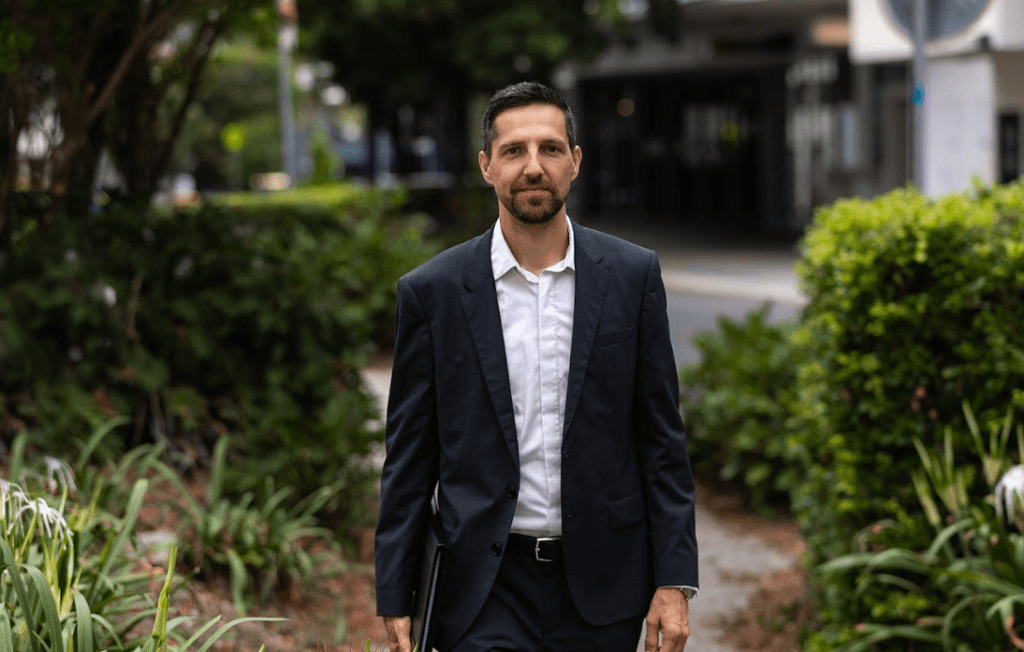
Travis Schultz & Partners acted for Mr Caudell in a personal injury claim following his wife’s death. Partner Greg Spinda says classification plays a role in the visibility issue.
“A traffic controller killed at a roadworks site does not appear in a public ‘road worker’ category,” Mr Spinda said.
“They are absorbed into broader labourer and construction data, which obscures the specific risk profile of roadwork environments. From a legal and policy perspective, that makes it harder to isolate risk patterns and implement targeted reforms.”
Mr Spinda added that behaviours behind the rising toll remain concerning.
“We continue to see crashes caused by inattention, intoxication and excessive speed – the same poor behaviours we’ve been warning about for years,” Mr Spinda said.
“Road workers are especially vulnerable because they are exposed on high-speed corridors where a single reckless decision can have catastrophic consequences.”
Zoom out
Mr Caudell is calling for an independent, legislated Queensland Road Safety Commissioner.
He says the role would oversee transparent reporting of fatalities, serious injuries and enforcement statistics, and ensure data from transport, workplace safety and health systems is integrated and publicly accessible.
“A commissioner would not invent new data,” Mr Caudell said.
“They would ensure the data we already collect is not hidden, delayed or fragmented, and that Queenslanders can properly scrutinise what is happening on our roads.”
What to look for next?
Hopefully, Queensland Government will respond to calls for a Road Safety Commissioner and improved data integration.
Mr Caudell says his goal is simple.
“This can’t happen again. We owe it to every family shattered by road trauma to do better,” Mr Caudell said.
